
Sustainable Construction in the Banking Sector: Innovative BIPV Facades by ML System in the “Tomorrow” Project for Stadtsparkasse Bank
21 September 2026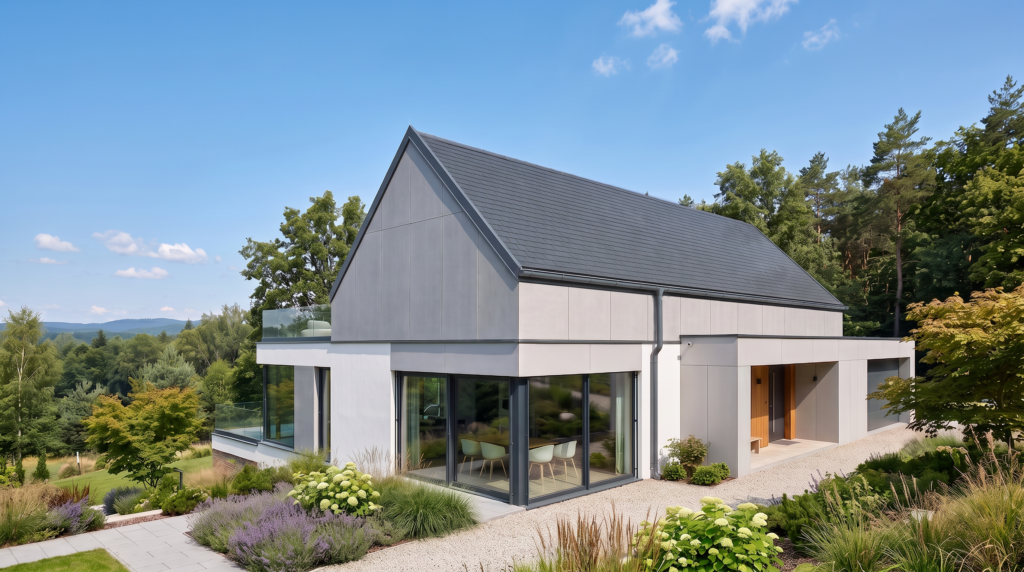
The Patent Office of the Republic of Poland has issued a decision to grant our Company a patent for the invention titled “Photovoltaic structural element comprising a textured layer and a method for manufacturing a photovoltaic element.” This is yet another confirmation of the uniqueness of the building-integrated photovoltaics (BIPV) technologies we are developing.
The patented solution involves photovoltaic facade panels that combine a PV cell with textured glass and an exceptionally durable ceramic coating. They are characterized by their ability to visually imitate materials such as wood, concrete, granite, or marble. As a result, our products simultaneously fulfill three key functions:
- Generating clean energy,
- Serving structural and protective functions,
- Ensuring high architectural aesthetics.
Broader Application, More Energy
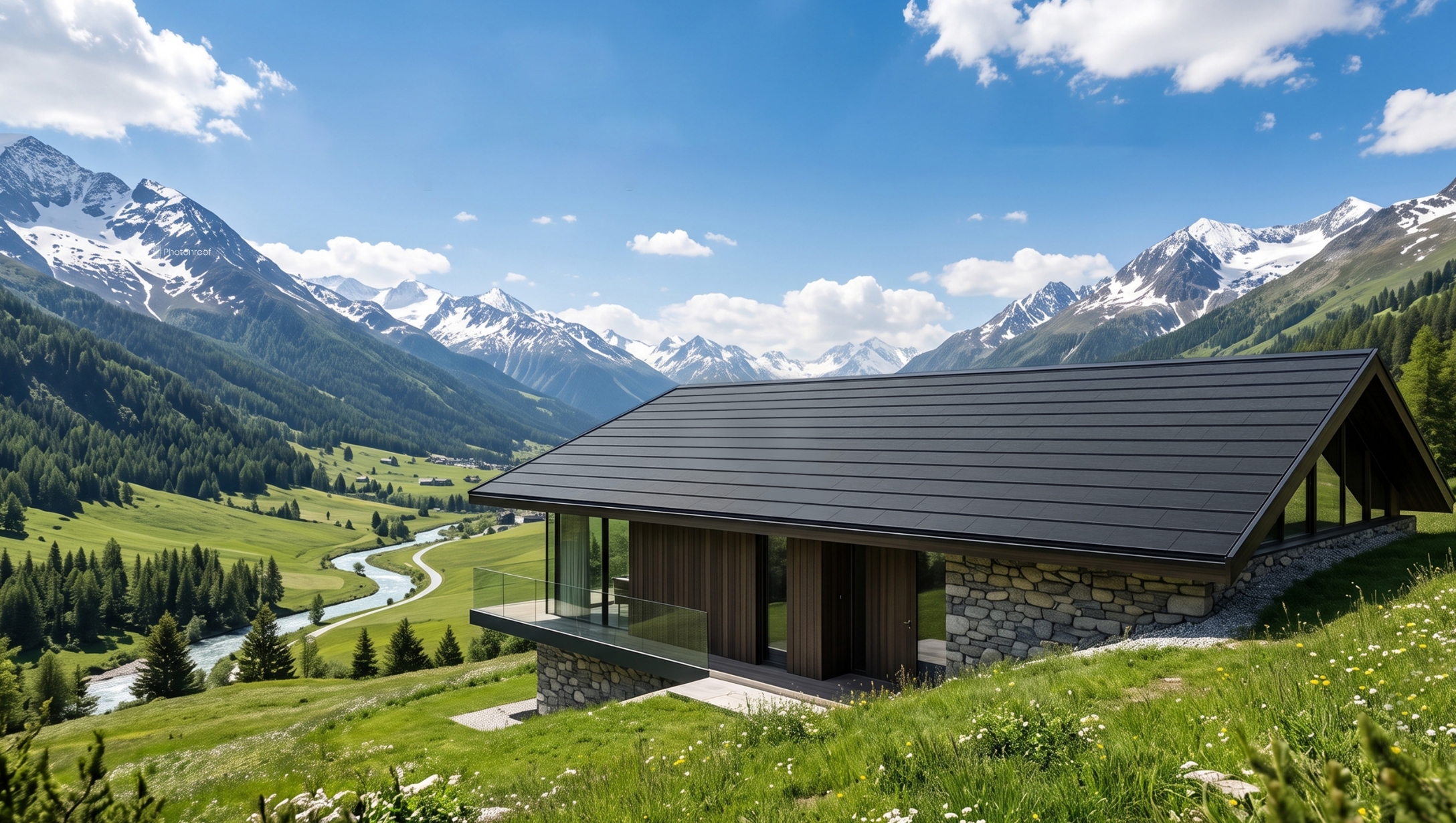
Our patented technology can be successfully applied in facades, photovoltaic roof tiles, or glazing. The ML System solution can replace traditional building or roof cladding, which increases the available energy conversion area without the need to install additional, external photovoltaic modules.
Technology Already at Work in Our Products
Importantly, we are already successfully utilizing the patented technology in our product lineup:
PhotonWall – our energy-active facades. They replace traditional facade panels, combining the highest aesthetic qualities (including prints imitating natural materials) with high energy efficiency.
PhotonRoof – photovoltaic roof tiles. This is a comprehensive solution that combines the function of traditional roofing with electricity generation.
BIPV Solutions – a wide range of ML System’s integrated photovoltaics, where our products directly replace classic building materials (e.g., facade glass, skylights, louvers), giving architects complete creative freedom.
A Unique Levitational Tempering Process
From a technological standpoint, the innovation is based on the simultaneous forming of the glass’s micro- and macrostructure, along with the curing of the ceramic print, during the levitational tempering process. The permanently fused ceramic print and the tempering significantly increase the product’s resistance to atmospheric and chemical factors, as well as mechanical damage.
Aesthetics Under Full Control
Unlike classic PV modules, our products offer the ability to individually shape texture, color, and transparency without sacrificing their energy-generating capabilities. The transparency of the print allows us to strike a perfect balance between the desired architectural effect and the transmission of solar radiation to the cell. As a result, we can precisely tailor the energy yield to the specific requirements of any project.